
HUARIQUE: The History, Origin and Tradition of Peru's Secret Food Spots
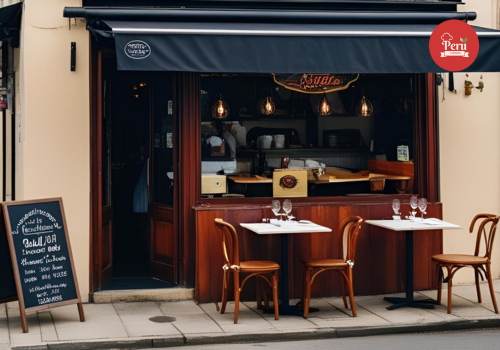
Table of contents
- 🧾 What is a huarique?
- 🗣️ Etymology: the origin of the word "huarique"
- 📜 History: how the idea of the huarique was born in Peru
- 🍽️ What dishes can you find in a huarique?
- 🌍 Famous huariques in Peru
- 🎯 The cultural and tourist impact of the huarique
- 🔎 What makes a huarique special?
- 📌 In short
- 🧭 Would you like to discover the best huariques?
If you love good Peruvian food, you have probably heard the word huarique more than once. In Lima or anywhere else in the country, huariques are special places that hide unforgettable culinary treasures. But where does this word come from? What makes a huarique different from an ordinary restaurant? In this article we will explore the origin, history and cultural relevance of huariques in Peruvian gastronomy. Get ready to discover why these humble places are so valued by the most demanding palates.
🧾 What is a huarique?
A huarique is, in essence, a small restaurant or eatery, often hidden or hard to spot, that offers exceptional flavor. It doesn't usually advertise with big signs or sit on main avenues. Instead, it spreads by word of mouth and tends to surprise you with authentic, home-style seasoning.
In Peru, it is associated with traditional food, affordable prices and service that often comes directly from the owners. The soul of a huarique is food made with love, as if it were for the family.
🗣️ Etymology: the origin of the word "huarique"
The word "huarique" has roots in Quechua. It comes from "wariq" or "warikuy", which can be translated as "to hide" or "to keep". Over time, the word was adapted in popular speech until it became "huarique", as we use it today.
That is where its essence comes from: a place that is hidden, secret, discovered only by those who know the area well or have a good recommendation. It is more than a food business; it is a find.
📜 History: how the idea of the huarique was born in Peru
Huariques began in the traditional neighborhoods of Lima and the provinces, especially in areas where Andean migration brought family recipes and ways of cooking with their own identity. Many women started selling food from home or opening small improvised eateries, with daily set menus and generous dishes.
In the 60s and 70s, when home-style food began competing with more formal restaurants, huariques gained ground. Workers, students and office employees were looking for good flavor at a low cost, and these places were the ideal answer.
Over time, huariques went from being a neighborhood secret to being part of popular food routes. Some became famous even without a website or social media.
🍽️ What dishes can you find in a huarique?
It depends on the region, but in general a Peruvian huarique offers Creole, chifa, seafood or regional food. Some common examples:
- Northern-style ceviche
- Ají de gallina, seco, cau cau
- Sopa seca with carapulcra
- Chanfainita, arroz con pato, escabeche
- Set menus with a starter, main course and drink at a good price
And most importantly: authentic flavors and generous portions, often cooked by hands that learned from their grandmothers.
🌍 Famous huariques in Peru
Although by definition a huarique doesn't try to be "known", some have become renowned without losing their essence:
- Al Toke Pez (Lima): a cult seafood spot, rustic and tasty.
- El Cevichano (Piura): generous portions and northern seasoning.
- The huariques of Surquillo, La Victoria or downtown Lima: where you still eat like at home.
🎯 The cultural and tourist impact of the huarique
Today, huariques are a fundamental part of food tourism. Many visitors prefer to eat at a huarique rather than a gourmet restaurant, looking for authenticity, closeness to local people and that "secret touch" that isn't taught in cooking schools.
They also have a social role: they provide jobs for whole families, preserve traditional recipes and resist commercial standardization.
🔎 What makes a huarique special?
- A discreet location: sometimes in a garage, a house or a side street.
- Unforgettable seasoning: family heritage, daily practice, seasoning with identity.
- A homey atmosphere: simple tables, direct contact with the cook or owner.
- Loyal customers: those who come, come back. And those who come back, recommend it.
📌 In short
Huariques are a symbol of authentic flavor resisting commercialism. They are corners that keep not only recipes but stories. Visiting one is like eating at someone else's home, where they welcome you warmly and serve you with soul.
Can a huarique be an elegant restaurant?
Not necessarily. The essence of a huarique is its humility, although some have managed to grow without losing their style.
How do I find a good huarique?
Ask local people, follow recommendations on food blogs or simply explore traditional neighborhoods.
Are there huariques outside Peru?
Yes, in countries with Peruvian migration, such as Chile, the USA, Spain or France, there are places that keep the spirit of the huarique.
Is it the same as a fonda or a cebichería?
No. A fonda or cebichería can be a huarique, but not every huarique is a fonda. A huarique can offer any kind of food; what defines it is its format and authenticity.
🧭 Would you like to discover the best huariques?
Very soon at Perú Comidas we will launch an exclusive section with the best huariques in Peru and around the world. You can read our article Peruvian Restaurants Around the World.
From Arequipa to Paris, we will explore those places where flavor is the soul and the secret is in every bite.
Don't miss our upcoming recommendations!
Thanks for reading our articles
Check out more of our articles, we still have plenty to share with you!
 Peruvian ingredientsChuncho Cacao from Cusco: The Native Cacao of La Convención, Its Flavor and Benefits
 History and trendsPeruvian Christmas Dinner Ideas: A Complete Menu for Your Celebration
 Peruvian ingredientsThe Health Benefits of Camu Camu
 History and trendsPeruvian Causa: History and Meaning
 Peruvian restaurants in CanadaBARRANCO | Peruvian Flavors Blossoming in Montreal
 NewsIbai's "World Cup of Breakfasts": Peru Heads to the Semifinals