
Chifa: The History, Origin and Evolution of a Word That Unites Two Cultures

Table of contents
- A linguistic and culinary journey through time
- 📜 The linguistic origin of the word "chifa"
- 🧳 The first Chinese immigrants and their contribution to Peru
- 🍜 What is chifa food?
- 🏙️ The spread and popularity of chifa in Peru
- ✈️ Chifa outside Peru
- 🍲 Benefits and characteristics of chifa cooking
- 💡 Tips for spotting a good chifa
- 🔄 Variations and adaptations
- ❓ Frequently asked questions (FAQ)
A linguistic and culinary journey through time
Saying "let's go eat chifa" is part of the everyday vocabulary of millions of Peruvians. The word chifa is synonymous with tasty, fast, plentiful food and, above all, cultural fusion. But where does this term come from? What does it really mean, and how did it become a fundamental part of Peru's culinary identity?
In this article we take you through the history of the word chifa, its linguistic and cultural origin, its evolution within Peruvian cooking and its impact on national identity. A story of migration, adaptation and flavor that is part of what we now know as chifa cuisine, one of the pillars of Peruvian gastronomy.
📜 The linguistic origin of the word "chifa"
The word "chifa" comes from the Cantonese dialect, one of the main Chinese languages spoken by the immigrants who arrived in Peru from the mid-19th century.
In Cantonese, the expression "chi fan" (吃飯) literally means "to eat rice" or simply "to eat".
When Chinese immigrants invited each other to eat, they used phrases such as "chi fan le ma?" ("have you eaten yet?"), which over time Peruvians adapted phonetically as "chifa".
So what began as an everyday polite phrase ended up becoming the name of a whole culinary category: chifa.
🧳 The first Chinese immigrants and their contribution to Peru
The history of chifa is closely linked to the arrival of the first Chinese immigrants in Peru. Between 1849 and 1874, thousands of workers arrived from southern China (mainly from the Canton region) as contract laborers to work on sugar cane and cotton plantations and to build railways.
These immigrants brought with them not only their language, customs and religion but also their cooking techniques: the use of the wok, fast cooking, noodles, bean sprouts, ginger, sillao (soy sauce) and a new way of understanding food.
Although at first they cooked for themselves, they soon began to open small eateries, which were very well received by Peruvians, fascinated by the flavors and the different style of cooking.
🍜 What is chifa food?
Chifa food is a fusion cuisine between Chinese gastronomy (mainly Cantonese) and the local ingredients, techniques and tastes of Peru.
It is the result of more than a century of cultural and culinary adaptation, in which ingredients impossible to find in Peru were replaced by local equivalents. Cabbage replaced bok choy, pork or beef replaced the seafood used in China, and rice took on an even greater role, cooked Creole-style or stir-fried with sillao.
Some classic chifa dishes include:
- Arroz chaufa (Peruvian-Chinese fried rice)
- Tallarín saltado (stir-fried noodles)
- Pollo chi jau kay
- Fried wonton
- Wonton soup
- Kam lu wantán
- Aeropuerto (a mix of arroz chaufa and tallarín saltado)
Each of these dishes represents not only a culinary exchange but also a reflection of how immigration can enrich a country's culture.
🏙️ The spread and popularity of chifa in Peru
The first formal chifa restaurant opened in downtown Lima in the 1920s. From then on, growth was exponential. Today it is estimated that there are more than 6,000 chifas in Lima, and thousands more throughout Peru.
They can be found in every neighborhood, from the humblest to the most exclusive. There are family chifas, popular ones, luxury ones, buffets and delivery, and they all have their loyal customers. Chifa food has become so much a part of the Peruvian diet that it is no longer considered "foreign food" but part of the everyday menu.
✈️ Chifa outside Peru
Curiously, the term "chifa" isn't used in other Latin American countries to refer to Chinese food. Only in Peru (and partly in Bolivia) is the word used as a culinary category.
Thanks to the Peruvian diaspora and the worldwide recognition of Peruvian gastronomy, chifa has begun to spread internationally. Peruvian restaurants in the United States, Spain, Japan and other countries now include "chifa" sections on their menus, and dishes such as arroz chaufa are presented as examples of Peruvian fusion cooking.
🍲 Benefits and characteristics of chifa cooking
- Easy to make at home with accessible ingredients.
- Fast: most dishes are cooked in less than 30 minutes.
- Suits all tastes: from vegetarians to meat lovers.
- Highly adaptable: you can vary the ingredients depending on what you have.
- Balanced: it combines protein, vegetables and carbohydrates in a single dish.
💡 Tips for spotting a good chifa
- Arroz chaufa should be served with loose grains, not clumped together.
- The sillao should be tasty, but not overdone.
- The food should come out hot and freshly made.
- Wontons should be crispy, not oily.
- The aroma should be intense and appetizing, with no smell of old frying oil.
🔄 Variations and adaptations
- Vegetarian chifa: today many chifas offer options with tofu, stir-fried vegetables and rice noodles without animal protein.
- Gourmet fusion chifa: contemporary Peruvian chefs are reinventing chifa with Andean ingredients, Amazonian fish and modern techniques.
- Homemade chifa: you can make arroz chaufa or noodles at home with whatever ingredients you have on hand. Try our homemade arroz chaufa recipe.
❓ Frequently asked questions (FAQ)
What exactly does the word chifa mean?
It comes from the Cantonese "chi fan", which means "to eat rice" or simply "to eat". Peruvians adapted it to name Chinese food fused with local ingredients.
What is the most representative chifa dish?
Without doubt arroz chaufa, although tallarín saltado and wontons are also very popular.
Is chifa Chinese food?
It is a fusion of Chinese (mainly Cantonese) and Peruvian food. It isn't traditional Chinese food, but it is inspired by it.
Is chifa healthy?
It depends on the dish. Many modern chifas offer lighter options, without excessive frying or fat.
Did you like this story? ✨
Save it, share it or read it again this weekend.
And don't forget to subscribe for more content on authentic Peruvian food and culture!
Thanks for reading our articles
Check out more of our articles, we still have plenty to share with you!
 Peruvian ingredientsChuncho Cacao from Cusco: The Native Cacao of La Convención, Its Flavor and Benefits
 History and trendsPeruvian Christmas Dinner Ideas: A Complete Menu for Your Celebration
 Peruvian ingredientsThe Health Benefits of Camu Camu
 History and trendsPeruvian Causa: History and Meaning
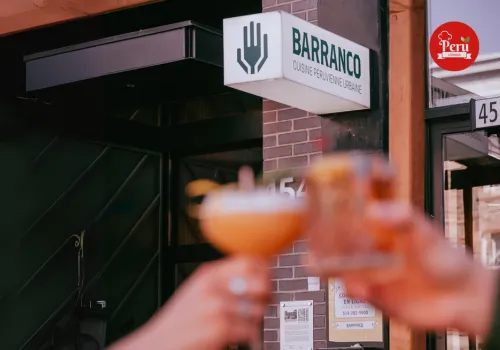 Peruvian restaurants in CanadaBARRANCO | Peruvian Flavors Blossoming in Montreal
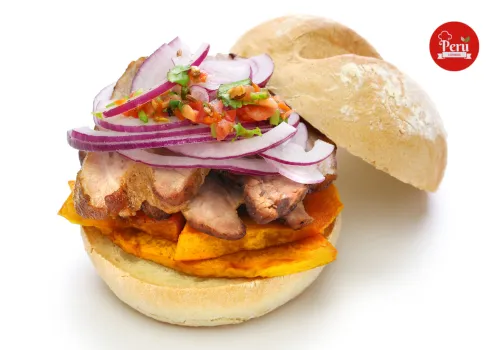 NewsIbai's "World Cup of Breakfasts": Peru Heads to the Semifinals