
Peruvian Causa: History and Meaning

Table of contents
- The Universal Appeal of Causa
- History and Culture on a Plate
- Exploring the Flavors of Causa
- The Origin of Peruvian Causa
- Potatoes: A Pillar of the Diet
- The Pre-Columbian Evolution of the Dish
- The Influence of Ancient Civilizations
- The Colonial Influence
- The Introduction of New Ingredients
- The Fusion of Culinary Cultures
- Causa as a Reflection of History
- The Evolution of Causa
- From Home Cooking to Gourmet Delicacy
- Causa in Modern Cooking
- Culinary Innovations
- Causa on the International Stage
- Regional Variations
- Causa on the Coast
- Adaptations in the Highlands
- Local Stories and Traditions
- Causa and Regional Identity
- The Cultural Meaning of Causa
- A Symbol of National Identity
- Causa as a Cultural Ambassador
- A Dish of Unity and Celebration
- The Resilience of the Peruvian People
- Causa Today
- Causa and Globalization
- Causa in Contemporary Cooking
- Causa and Sustainability
- The Future of Causa
- How Do You Make a Peruvian Causa?
- Conclusion
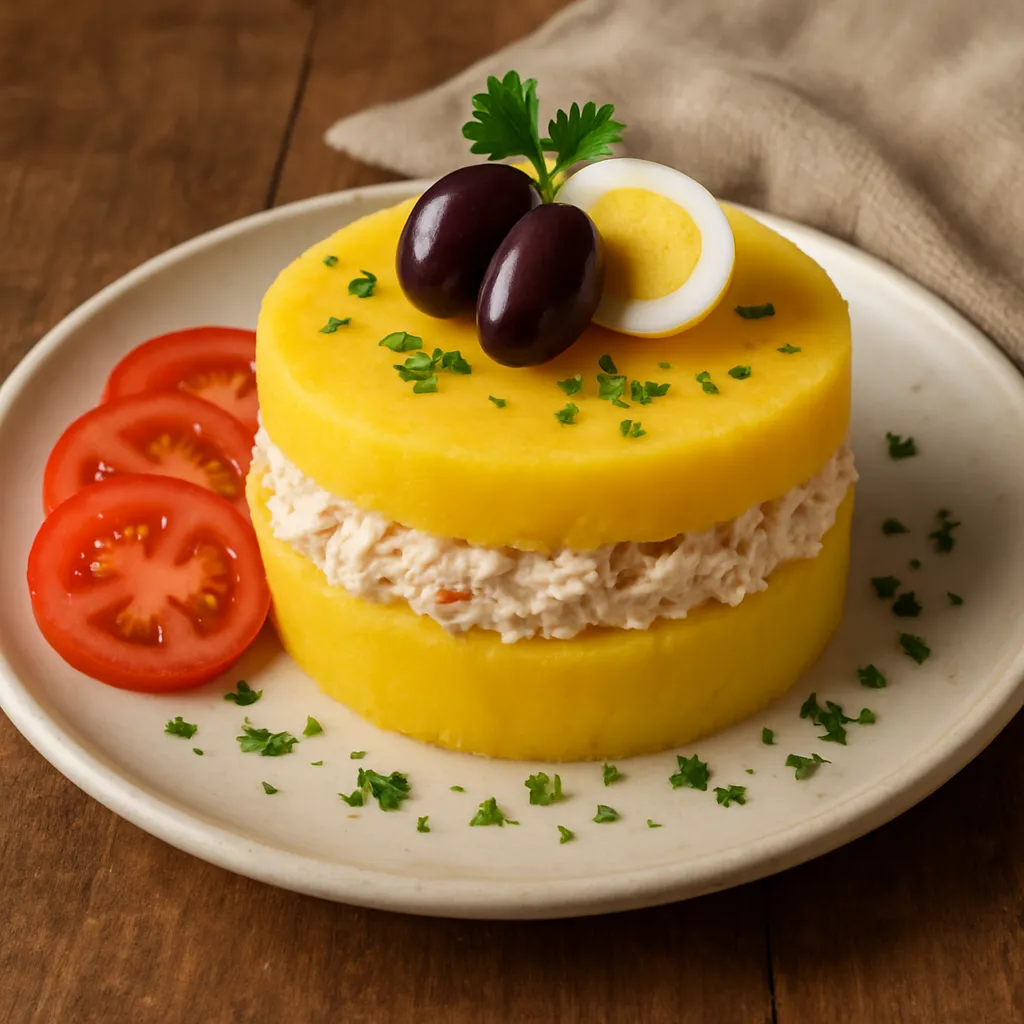
Peruvian causa is an iconic dish of Peruvian gastronomy that has captured the hearts and palates of people all over the world. It is known not only for its unique, delicious flavor but also for the rich history and culture it represents. In this article we will explore the origin of Peruvian causa, how it has evolved over time and its cultural meaning in Peru.
The Universal Appeal of Causa
Peruvian causa is not just a dish on the table. Its appeal lies in its ability to connect people through its flavor and its history. From local markets to high-end restaurants, causa is enjoyed in many settings, showing its versatility. This dish has crossed borders, becoming a symbol of Peruvian cuisine throughout the world.
History and Culture on a Plate
Every bite of Peruvian causa offers a journey through Peru's rich and diverse history. Beyond its ingredients, causa is a testament to the mix of cultures that have influenced the country over the centuries. From the Incas to the Spanish colonizers, each group left its mark, creating a dish that is a true celebration of Peru's cultural diversity.
Exploring the Flavors of Causa
The distinctive flavor of causa comes from the perfect combination of fresh ingredients and traditional seasonings. Ají amarillo adds a touch of heat that is balanced by the freshness of lime, while the potatoes provide a smooth, comforting base. Exploring the flavors of causa is an invitation to discover the richness of Peruvian cuisine, where every ingredient has a purpose and a special place.
The Origin of Peruvian Causa
The history of Peruvian causa goes back to pre-Columbian times. Its roots are believed to lie in the ancient Peruvian civilizations that lived on the country's coast. These civilizations used potatoes, a fundamental ingredient in causa, as a staple food because they were abundant and versatile.
Potatoes: A Pillar of the Diet
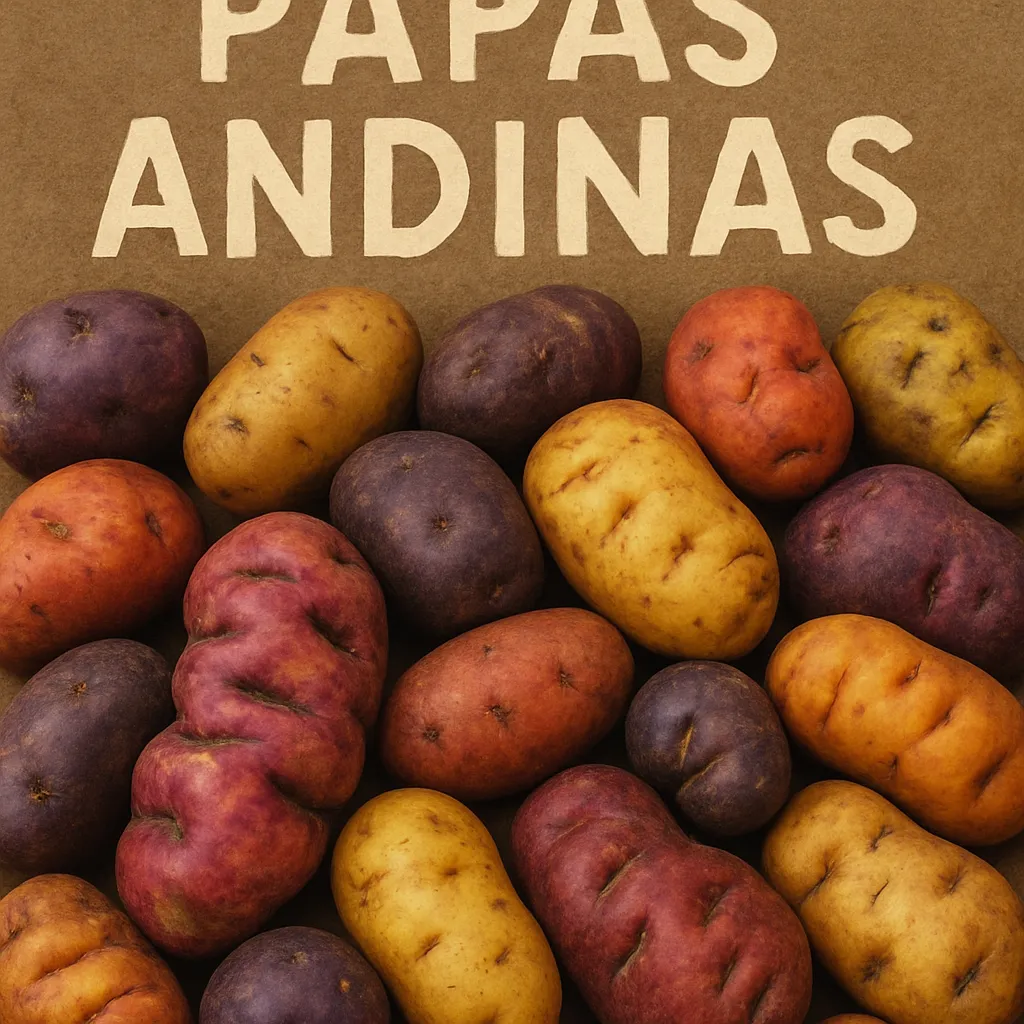
Potatoes have been a pillar of the diet in Peru for centuries. Grown at high altitude in the Andes, potatoes were domesticated by ancient civilizations that recognized their nutritional value. Besides being abundant, potatoes are versatile and suit many preparations, which makes them an essential ingredient in the Peruvian diet. Their importance goes beyond cooking: they are also a symbol of sustenance and survival.
The Pre-Columbian Evolution of the Dish
Before the Spanish arrived, people on the coast already made rudimentary versions of causa. These early dishes were simple, using local ingredients and traditional cooking techniques. Even in its most basic form, however, causa reflected the culinary skill and creativity of the ancient Peruvian civilizations, which knew how to make the most of the resources available.
The Influence of Ancient Civilizations
Ancient Peruvian civilizations such as the Incas and the Moche had a significant influence on the evolution of causa. These cultures not only grew potatoes, they also developed preservation and preparation methods that were handed down through generations. Their influence is evident in causa, where you can appreciate a combination of ancestral techniques and traditional flavors that endure to this day.
The Colonial Influence
With the arrival of the Spanish in the 16th century, Peruvian gastronomy underwent a significant transformation. The Spanish introduced new ingredients and cooking techniques, which blended with local traditions. During this period, causa began to evolve, incorporating ingredients such as lime, ají amarillo and oil.
The Introduction of New Ingredients
The arrival of the Spanish brought a variety of new ingredients that enriched Peruvian cooking. Lime, for example, became an essential element in making causa, adding a sour flavor that complements the other ingredients. Likewise, oil and ají amarillo, introduced by the colonizers, were integrated into the recipe, creating a unique mix of flavors that defines modern causa.
The Fusion of Culinary Cultures
Peruvian cuisine is an outstanding example of cultural fusion, and causa is no exception. The interaction between indigenous cooking techniques and Spanish influences gave rise to a rich, diverse gastronomy. This fusion not only enriched the flavor of causa, it also symbolized the adaptability and creativity of the Peruvian people, who managed to bring the best of both cultures together in a single dish.
Causa as a Reflection of History
Peruvian causa is more than a simple recipe; it is a reflection of the country's history. Every ingredient tells part of Peru's story, from native potatoes to the ingredients introduced by the colonizers. When you enjoy a causa, you are tasting a piece of history, a mix of ancient and modern times that has evolved into an emblem of Peruvian gastronomy.
The Evolution of Causa
From Home Cooking to Gourmet Delicacy
Originally, causa was a simple, humble dish, made mainly in Peruvian homes. Over the years, however, it has been reinterpreted by renowned chefs, becoming a gourmet dish served in fine-dining restaurants around the world. This evolution has allowed Peruvian causa to gain international recognition, highlighting the richness of Peruvian culinary culture.
Causa in Modern Cooking
Today, causa has found its place in modern cooking, where innovative chefs keep reinventing it. Using contemporary techniques, these chefs have taken causa to new heights, presenting it in creative ways that challenge traditional expectations. This transformation has been key in introducing causa to a global audience that appreciates both its history and its new presentation.
Culinary Innovations
The evolution of causa doesn't stop, as chefs keep innovating and experimenting with new ingredients and presentations. From Asian influences to touches of international fusion, culinary innovation has expanded the repertoire of causa. These new interpretations keep the tradition alive while offering a fresh, exciting perspective that attracts new generations of diners.
Causa on the International Stage
The recognition of causa on the international stage is a testament to its versatility and universal appeal. From food fairs to culinary competitions, causa has caught the attention of critics and food lovers all over the world. This recognition has helped put Peru on the map as a top culinary destination, where causa shines as a jewel in the crown of Peruvian cuisine.
Regional Variations
Each region of Peru has its own version of causa, reflecting the country's cultural and geographical diversity. On the coast it is common to find causa filled with fresh seafood, while in the highlands beef or chicken is used. These regional variations not only enrich the flavor of the dish, they also tell unique stories of the communities that created them.
Causa on the Coast
In Peru's coastal regions, causa stands out for its freshness and lightness. Seafood such as shrimp and crab adds a distinctive flavor that is complemented by the acidity of the lime. This coastal version of causa reflects the abundance of marine resources and the influence of the nearby ocean on the local diet. It is a perfect example of how local ingredients can give rise to unique, delicious variations.
Adaptations in the Highlands
In the highlands, causa takes a different form, adapting to local ingredients and traditions. Beef and chicken are common fillings, giving a more robust, hearty flavor. These adaptations reflect not only the availability of ingredients in the region but also the culinary preferences of Andean communities, which have developed their own versions of causa over time.
Local Stories and Traditions
Each regional variation of causa tells a unique story about the community that created it. From local festivals to family celebrations, causa is an integral part of cultural life in Peru. These stories and traditions are handed down from generation to generation, making sure that each version of causa is not only delicious but also a tribute to the country's rich cultural heritage.
Causa and Regional Identity
The diversity of causa across Peru's regions reflects the country's regional identity. Each variation is a testament to the creativity and adaptability of Peruvian communities, which have managed to preserve their culinary traditions while exploring new possibilities. This diversity is one of the reasons causa remains such a loved and celebrated dish throughout the country.
The Cultural Meaning of Causa
A Symbol of National Identity
Peruvian causa is more than just a dish; it is a symbol of national identity. It represents the resilience and creativity of the Peruvian people, who have managed to combine the best of their ancestral traditions with foreign influences to create something truly unique. Causa also proves the ability of Peruvian culture to adapt and evolve while preserving its roots.
Causa as a Cultural Ambassador
On the international stage, causa acts as an ambassador of Peruvian culture, promoting the country's rich culinary heritage. Its popularity abroad has helped increase the recognition of Peru as a world-class food destination. At the same time, causa serves as a cultural bridge, connecting people from different backgrounds through its flavor and its history.
A Dish of Unity and Celebration
Causa is not only a symbol of identity but also of unity and celebration. It is a dish that brings families together around the table, especially during celebrations and festivities. Making and eating it strengthens family and community ties, making causa an essential part of social and cultural life in Peru. This unifying power is one of the reasons causa is still so revered.
The Resilience of the Peruvian People
The history of causa reflects the resilience of the Peruvian people, who have overcome challenges and adapted to change over the centuries. The ability to integrate foreign elements while preserving local traditions is a testament to the strength and creativity of Peruvian culture. Causa is a reminder that cooking can be a source of inspiration and pride, even in difficult times.
Causa Today
Today, Peruvian causa remains an essential part of many Peruvians' diet and a favorite at celebrations and family events. Its popularity has also gone beyond Peru's borders, making it an ambassador of Peruvian culture abroad.
Causa and Globalization
Globalization has allowed Peruvian causa to reach distant corners of the world. International restaurants and chefs have adopted the dish, introducing it to audiences who may never have experienced Peruvian food. This global expansion has not only increased the visibility of causa, it has also fostered a greater appreciation of the diversity and richness of Peruvian gastronomy.
Causa in Contemporary Cooking
In contemporary cooking, causa keeps inspiring chefs around the world. Its versatility allows it to adapt to different culinary styles, from minimalist presentations to more complex creations. This adaptability has made sure causa remains relevant in a constantly changing culinary landscape, where creativity and innovation are key to success.
Causa and Sustainability
In a world increasingly aware of sustainability, causa offers an example of how local ingredients and traditional cooking practices can contribute to a more sustainable future. By using fresh, locally sourced ingredients, causa promotes a way of cooking that respects the environment and supports local communities. This environmental awareness is a growing trend that aligns with the core values of Peruvian cuisine.
The Future of Causa
As causa keeps evolving, its future looks promising. With its growing popularity and worldwide recognition, causa is well placed to remain a central part of Peruvian cuisine. Future generations of chefs and home cooks will surely find new ways to reinterpret this classic dish, making sure causa remains a source of pride and delight for Peruvians and food lovers around the world.
How Do You Make a Peruvian Causa?
Making a Peruvian causa may seem intimidating at first, but with the right ingredients and a little patience, anyone can enjoy this delicious dish at home. I invite you to see our causa limeña recipe.
Conclusion
Peruvian causa is a testament to Peru's rich cultural heritage and its influence on the culinary world. This dish not only delights those who taste it, it also tells the story of a people who have preserved and celebrated their identity through food. Next time you enjoy a causa, remember that you are tasting centuries of history and tradition in every bite. Causa is more than a dish; it is a culinary legacy that keeps inspiring and connecting people all over the world.
Thanks for reading our articles
Check out more of our articles, we still have plenty to share with you!
 Peruvian ingredientsChuncho Cacao from Cusco: The Native Cacao of La Convención, Its Flavor and Benefits
 History and trendsPeruvian Christmas Dinner Ideas: A Complete Menu for Your Celebration
 Peruvian ingredientsThe Health Benefits of Camu Camu
 Peruvian restaurants in CanadaBARRANCO | Peruvian Flavors Blossoming in Montreal
 NewsIbai's "World Cup of Breakfasts": Peru Heads to the Semifinals
 History and trendsAfro-Peruvian Cuisine: Roots, Flavors and Cultural Legacy