
Afro-Peruvian Cuisine: Roots, Flavors and Cultural Legacy
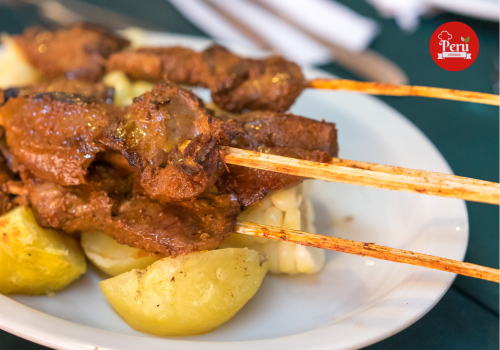
Table of contents
Many of us wonder why Peruvian cuisine has so much variety. The answer is that Peruvian cooking carries a mix of cultures going back many years, among them Afro-Peruvian cuisine, which is much more than a culinary inheritance: it is a living expression of resistance, creativity and cultural fusion. Forged in adversity during the colonial period, this cuisine has left a deep mark on Peru's national recipe book and has given rise to some of the country's most iconic and flavorful dishes. In this article we explore its history, ingredients, techniques and relevance today, as an essential part of Peru's culinary identity.
The origins of Afro-Peruvian cuisine
The history of Afro-Peruvian cuisine begins with the forced arrival of enslaved people from Africa on the Peruvian coast during colonial times, mainly in Lima, Callao, Cañete, Chincha and Ica. There, these groups contributed their culinary knowledge and creativity, adapting to local ingredients and to the little they were allowed to use. Often the slaves cooked with the "discards" of the viceregal kitchens: offal, bones, skins, tough parts of vegetables and so on.
It was out of these restrictions that dishes emerged that are true delicacies today: anticuchos, mondonguito a la italiana, sangrecita, rachi, chanfainita and others. Afro-Peruvian cuisine therefore represents a mix of ingenuity and flavor that has stood the test of time.
Main ingredients and techniques of Afro-Peruvian cuisine
Some of the most representative ingredients of this cuisine are:
- Beef heart and offal (used in anticuchos, rachi, etc.)
- Cooked blood (for sangrecita)
- Tripe, liver, lung, kidneys
- Sweet potato and yuca
- Purple and white corn
- Ají panca and ají amarillo
- Spices such as cumin and pepper
Among the techniques, slow cooking, stews with long-cooked flavor bases (aderezos), grilling meat over embers and seasoning strongly marked by chilies and herbs all stand out.
Emblematic dishes of Afro-Peruvian cuisine
1. Anticuchos
Probably the most famous dish, traditionally made with beef heart marinated in ají panca, garlic and vinegar, grilled over embers and served with potato or corn. Its origin goes back to colonial times, when slaves made skewers with the scraps of meat they were given.
2. Mondonguito a la italiana
A tripe stew with tomato sauce, fries and rice. An inherited and adapted recipe, tasty and very representative of working-class neighborhoods.
3. Sangrecita
A typical Lima breakfast dish, made with cooked chicken blood, onion, ají and herbs, served with bread or potato.
4. Chanfainita
Made with bofe (beef lung), potato and ajíes, cooked slowly in a thick sauce. Intense in flavor and creamy in texture.
5. Tamalitos negros
Made with purple corn, raisins and chancaca, a sweet recipe typical of celebrations and grape-harvest festivals.
Cultural value and recognition
For a long time, Afro-Peruvian cuisine was made invisible or considered "poor people's food". However, with the rise of the movement to revalue cultural roots and recognize diversity in Peruvian cooking, it has earned a well-deserved place at festivals, in restaurants and in food media.
Thanks to the work of cooks, historians and cultural promoters, this cuisine is now celebrated as a fundamental pillar of Peru's culinary mestizaje. It is also part of the intangible legacy the Afro-descendant community has handed down from generation to generation.
Afro-Peruvian cuisine today: tradition and future
Today, Afro-Peruvian cuisine is lived and tasted in markets, huariques and homes along the Peruvian coast. Cañete and Chincha are still living centers of this tradition. Young cooks have also begun to innovate and reinterpret these recipes, giving them a place in fine dining without losing their essence.
At fairs such as Mistura or regional festivals, Afro-Peruvian dishes are a must. Social media and blogs have also amplified their reach, making new generations interested in cooking them.
Afro-Peruvian cuisine not only feeds us with its flavor but also with its history. Every dish tells a story of struggle, adaptation and memory. Reclaiming its recipes, learning them and cooking them is also an act of recognition of a fundamental part of what we now call Peruvian gastronomy.
❓Frequently asked questions (FAQ)
What is Afro-Peruvian cuisine? It is the set of dishes and cooking techniques developed by the Afro-descendant population in Peru, mainly on the coast.
Which dishes stand out in Afro-Peruvian cuisine? Anticuchos, sangrecita, chanfainita, mondonguito a la italiana and others.
Where can you try this cuisine? In markets and huariques in Lima, Cañete, Chincha and other places on the Peruvian coast.
What characterizes this gastronomy? The use of offal, intense seasonings, long cooking techniques and very flavorful seasoning.
Did you like this story? ✨
Save it, share it or visit on your next trip.
And don't forget to subscribe for more articles on authentic Peruvian food and culture!
Thanks for reading our articles
Check out more of our articles, we still have plenty to share with you!
 Peruvian ingredientsChuncho Cacao from Cusco: The Native Cacao of La Convención, Its Flavor and Benefits
 History and trendsPeruvian Christmas Dinner Ideas: A Complete Menu for Your Celebration
 Peruvian ingredientsThe Health Benefits of Camu Camu
 History and trendsPeruvian Causa: History and Meaning
 Peruvian restaurants in CanadaBARRANCO | Peruvian Flavors Blossoming in Montreal
 NewsIbai's "World Cup of Breakfasts": Peru Heads to the Semifinals