
History of Peruvian Crema Volteada: Origin and Tradition
The colonial origin of crema volteada and how Spanish flan became a classic of Peruvian baking.

Crema volteada is a traditional Peruvian dessert that has delighted generations with its smooth texture and delicious flavor. Its origin goes back to the Spanish influence during the colonial era, when flan, a similar dessert, was adapted to local Peruvian ingredients and tastes. Over time, crema volteada has become a symbol of Peruvian baking, appreciated for its simplicity and flavor.
History of Crema Volteada
Crema volteada, also known as caramel flan, has its roots in Spanish cooking. During the colonial period, the Spanish introduced flan to Peru, and Peruvians adapted it, creating a version that incorporates local ingredients and techniques. This dessert quickly became a favorite because it is easy to prepare and brings out the rich, natural flavors of Peruvian ingredients.
The Importance of Crema Volteada in Peruvian Culture
Crema volteada is not only a delicious dessert, it is also part of Peru's culinary identity. It is served at celebrations and family gatherings, and it is common on the menus of traditional Peruvian restaurants. This dessert reflects the mix of cultural influences that characterizes Peruvian cuisine and its ability to adapt and evolve.
In short, crema volteada is much more than a simple dessert. Its rich history, its delicious variations and how easy it is to prepare make it a symbol of Peruvian gastronomy. If you want to experiment with Peruvian cooking, making a crema volteada is an excellent place to start. Go ahead and try it, and enjoy a little piece of Peru in every bite!
You may also like:
- How to make soft, creamy beans
- Peruvian food recipes
- Traditional Peruvian desserts
- Peruvian crema volteada recipe
We hope this article inspires you to explore and enjoy this wonderful Peruvian dessert. Buen provecho!
Thanks for reading our articles
Check out more of our articles, we still have plenty to share with you!
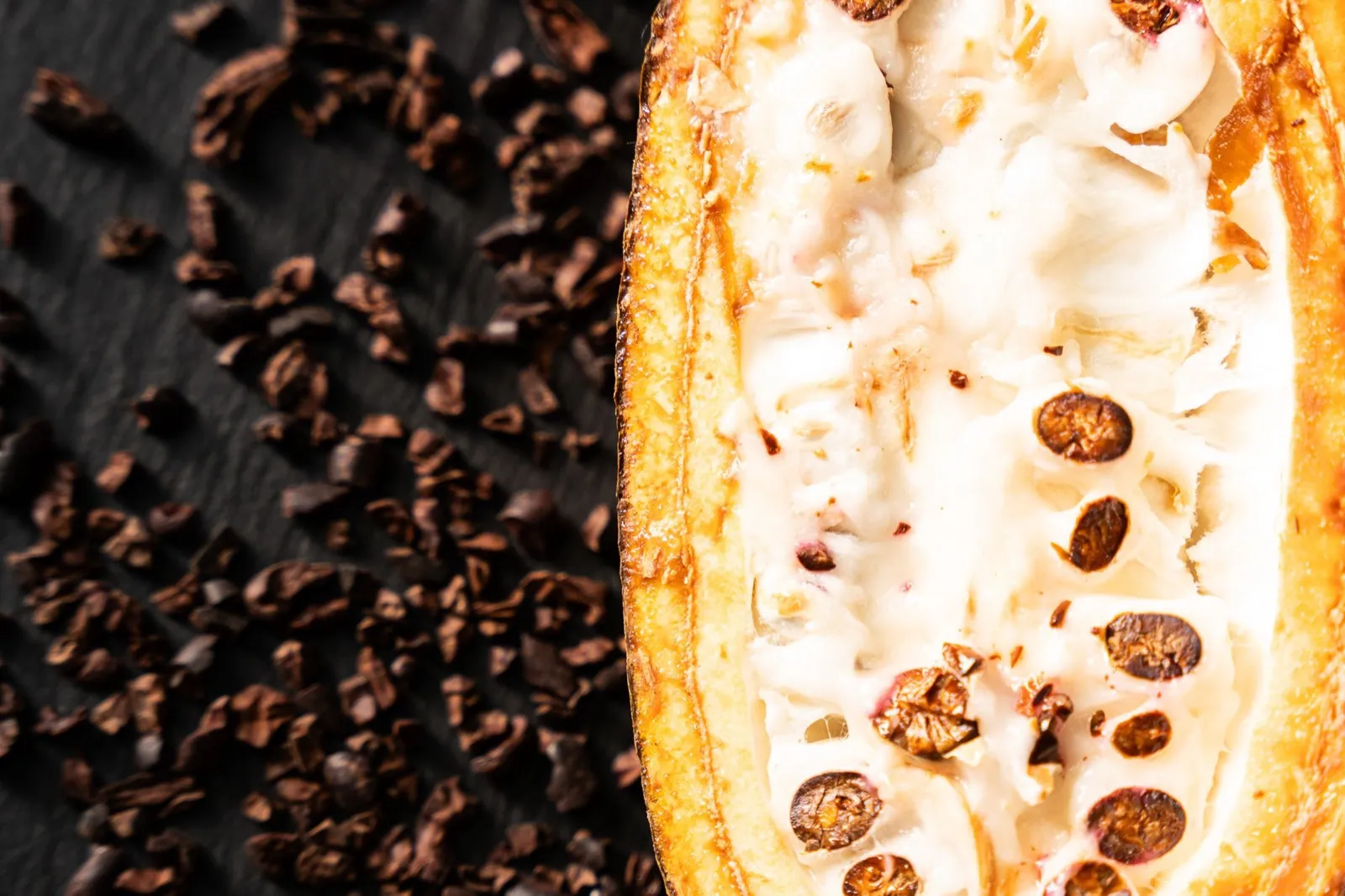 Peruvian ingredientsChuncho Cacao from Cusco: The Native Cacao of La Convención, Its Flavor and Benefits
 History and trendsPeruvian Christmas Dinner Ideas: A Complete Menu for Your Celebration
 Peruvian ingredientsThe Health Benefits of Camu Camu
 History and trendsPeruvian Causa: History and Meaning
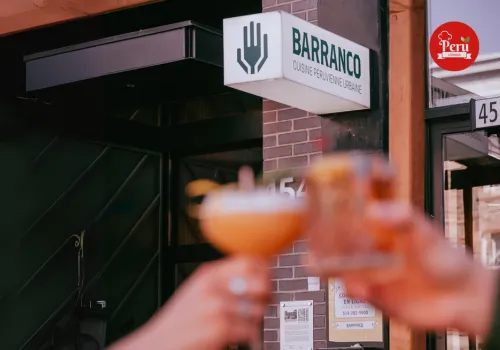 Peruvian restaurants in CanadaBARRANCO | Peruvian Flavors Blossoming in Montreal
 NewsIbai's "World Cup of Breakfasts": Peru Heads to the Semifinals