
The History of Cooking: Cold and Its Revolution in Pastry

Table of contents
The history of cooking is as fascinating as it is complex, and one of its most transformative episodes was without doubt the introduction of artificial cold. The ability to preserve and transform food through refrigeration techniques not only changed the way desserts and cakes were made, it also opened the door to a revolution in the food industry.
The Origin of Refrigeration and Its Impact on the History of Cooking
Before artificial cold was invented, methods of preserving food were limited and often inefficient. Making desserts and cakes in particular required laborious techniques and a high degree of precision. In this context, the importance of cold lies in its ability to preserve the textures, flavors and integrity of delicate ingredients such as sugar, almonds and chocolate.
In the 19th century, the lack of refrigeration was a major challenge for pastry chefs, who had to whisk by hand and grind ingredients in conditions that affected both quality and mass production. The invention of the first refrigerating machines in 1875 by visionaries such as Charles Tellier and Ferdinand Carré marked a turning point. These innovations made it possible to control temperature precisely, allowing new products to be made and facilitating processes such as pasteurization, appertization (canning) and the creation of margarine.
Charles Tellier and Ferdinand Carré: Pioneers of Culinary Innovation
The contribution of Charles Tellier and Ferdinand Carré was fundamental to the development of the food industry. Thanks to their inventions, products that had been unthinkable could now be made. Refrigeration not only improved the quality of food, it also laid the foundations for what we now know as the culinary revolution.
These pioneers made it possible to manufacture chocolate bars, create new pastry techniques and turn traditional recipes into true works of art. In their workshops, cold became an indispensable ally, making it easier to produce emblematic creations such as croquembouches, nougats and entremets that still delight the most demanding palates today.
The Evolution of Pastry: From Tradition to Modernity
The influence of cold on cooking was especially notable in pastry. In 1888, Urbain Dubois, in his work La cuisine artistique, recommended organizing professional kitchens into four divisions: the kitchen, the rôtisserie, the garde-manger and the pastry section. It was in the latter that true works of art were made, based on the creative use of sugar and other ingredients that required precise temperature control.
French pastry in particular reached levels of excellence that made a whole generation famous. The invention of the tarte Tatin and other revolutionary desserts shows the adaptability and creativity that emerged thanks to refrigeration techniques. Over time, these advances allowed products once reserved for the elite to become more widely available, reaching the tables of an ever broader clientele.
The Role of Technology in the Culinary Revolution
The 20th century saw rapid technological change in cooking. From the invention of the croissant to the introduction of freezing in 1929 by Clarence Birdseye, technology became a decisive factor in the expansion and modernization of cooking and pastry.
Over the years, equipment such as cold rooms, sorbetières, laminoirs (dough sheeters) and electric ovens allowed chefs and pastry chefs to experiment and create new recipes. The introduction of deep-freezing (surgélation) and the standardization of processes through technical sheets and good food-practice guides made production more efficient and safer. These technological innovations not only expanded creative possibilities, they also made high-quality desserts more accessible to a wider public.
Refrigerated Techniques and Their Legacy in the History of Cooking
The refrigerated techniques introduced in the 19th century still have a profound impact on how we think about cooking today. Precise temperature control keeps flavors intense, textures perfect and the chef's creativity boundless. The adoption of these techniques in professional kitchens paved the way for what we now call "new pastry", where the fusion of tradition and modernity is expressed in every creation.
European Influence on Peruvian Cooking: An Unexpected Legacy
Although the story so far focuses on the evolution of cooking and pastry in Europe, it is essential to highlight the global impact of these innovations. Peruvian cuisine, for example, is today a melting pot of influences in which European heritage plays an essential role. Many of us are unaware of how much other cultures have contributed to enriching our gastronomy.
The arrival of European techniques and recipes in Peru has allowed ingredients and methods to fuse, giving rise to a unique, sophisticated cuisine. The integration of elements of French culinary art in particular can be seen in the way desserts are made and dishes are presented, which today are synonymous with quality and creativity. This historical legacy shows the cultural dynamism and adaptability that characterize the history of cooking.
European influence can also be seen in how the professional kitchen is organized. From dividing kitchens into specific sections to implementing preservation and preparation techniques, the heritage of European master pastry chefs and cooks lives on in Peruvian gastronomy. The modernization of pastry and the use of advanced technology have made it possible to create flavors and textures that were once unthinkable, making cooking an ever-evolving art.
It is interesting to note how, over time, innovation in pastry has reflected the creative spirit and passion for detail in the culinary world. Technological advances, together with tradition and the dedication of countless chefs, have allowed each generation to bring something new to the table without losing sight of the importance of technique and historical legacy.
Over time, gastronomy has become a bridge between cultures, and every dish tells a story. The fusion of techniques, ingredients and traditions has made cooking a universal language, able to connect people from different backgrounds through the pleasure of eating.
Conclusion of our article: The History of Cooking: Cold and the Pastry Revolution
The history of cooking is a fascinating journey in which the invention of cold and the revolution in pastry have left an indelible mark. From the first refrigerating machines of Charles Tellier and Ferdinand Carré to the sophistication of new pastry, every advance has contributed to the transformation of gastronomy and the cultural richness we enjoy today.
Don't forget that in a future article we will tell you a little more about the history of cooking and explore how, thanks to it, Peruvian cuisine, with all its European influence, has received a great contribution from other cultures, adding to the richness and diversity of our gastronomy. Stay tuned to discover more about this exciting culinary journey!
Thanks for reading our articles
Check out more of our articles, we still have plenty to share with you!
 Peruvian ingredientsChuncho Cacao from Cusco: The Native Cacao of La Convención, Its Flavor and Benefits
 History and trendsPeruvian Christmas Dinner Ideas: A Complete Menu for Your Celebration
 Peruvian ingredientsThe Health Benefits of Camu Camu
 History and trendsPeruvian Causa: History and Meaning
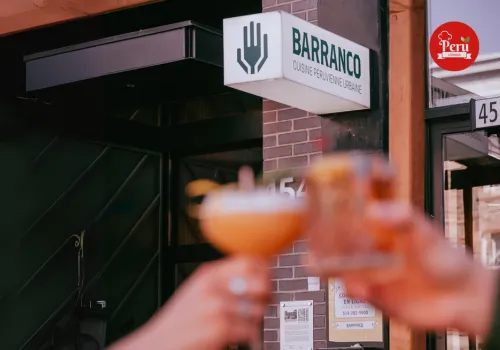 Peruvian restaurants in CanadaBARRANCO | Peruvian Flavors Blossoming in Montreal
 NewsIbai's "World Cup of Breakfasts": Peru Heads to the Semifinals