
A Journey Through French Pastry: History, Ingredients and Tradition
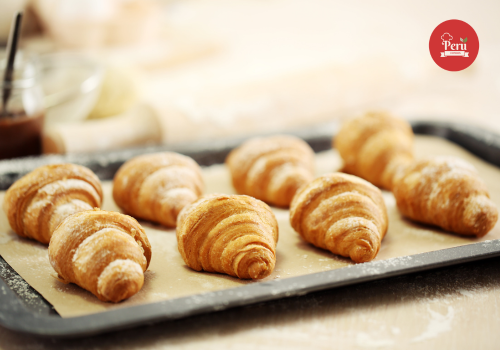
Table of contents
French pâtisserie (pastry) is much more than elegant desserts and shop windows full of gâteaux (cakes). It is a culinary art with centuries of history that combines technique, creativity and carefully selected ingredients. In this article we explore the pillars of French pastry, its historical evolution and the importance of elements such as sucre (sugar), beurre (butter) and farine (flour).
The basic ingredients: the foundation of French pastry
Pâtisserie books invite both professionals and amateurs to get to know the essential products that form the foundation of this cuisine:
- Sucre (sugar): from cane sugar, extracted from the "roseau donnant du miel sans le concours des abeilles" (the reed that gives honey without the help of bees), to honey, its natural forerunner. Sugar wasn't always used only in desserts, and its pairing with sour or salty flavors has been part of its history.
- Beurre (butter): essential for doughs and creams, it adds richness and texture.
- Farine (flour): the soul of doughs and cakes.
- Œufs (eggs): indispensable for structure and lightness.
These ingredients form the base of preparations such as crèmes (creams) and pâtes (doughs), which in turn become gâteaux, entremets (intermediate dishes) and desserts.
The history of French pastry: from its roots to sophistication
The history of pastry couldn't exist without the basic ingredients. Before sugar and eggs appeared, ancient civilizations used honey and dried fruits such as dates and figs. The first culinary transformations, such as galettes (flat cakes), came about by mixing grains with crushed roots and cooking them over the fire.
In the Greco-Roman world, banquets included entremets (literally, "between the dishes"), which could be either sweet or savory. It wasn't until centuries later that desserts (served at the moment of "desservir", that is, clearing the table) became associated exclusively with sweet flavors.
The entremets: dessert or intermediate dish?
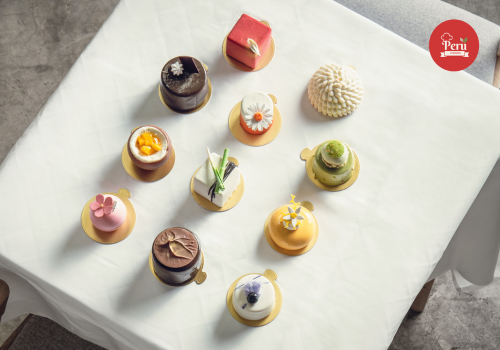
The term entremets refers to a culinary tradition that mixed spectacle and gastronomy. Although today we associate it with refined desserts, it was originally an intermediate dish, served between the main courses. Its evolution into modern desserts reflects the changing customs of the French table.
The importance of sugar in pastry
Sugar as we know it is a relatively modern element in culinary history. Before it was introduced to Europe, sweetness came from honey. Over time, sugar became the star of confiseries (confectioners) and chocolateries (chocolate shops), changing how desserts were perceived.
A curious fact: in the 17th century, books such as L'Art de bien traiter by L.S.R. described techniques for confire (candying) flowers such as violets and jasmine. This shows that desserts were not only food, but also a luxury reserved for special moments.
Pastry chefs: the artists of pastry
The term pâtissier refers to those who "worked with dough", using both sweet and savory ingredients. In the beginning, pâtissiers worked with basic preparations, moving on to more complex creations as ingredients such as sugar and butter became more accessible.
The legacy of French pastry
Today, pâtisserie is synonymous with elegance and technical perfection. From iconic croissants to delicate macarons, every creation tells a story that reflects centuries of culinary evolution.
In Peru, although our culinary tradition is very different, we can find inspiration in pâtisserie to experiment with local ingredients and create unique fusions. Why not try a classic French recipe with a Peruvian touch?
Conclusion of our article on French pastry
Pâtisserie française (French pastry) is much more than a culinary tradition; it is a journey through the senses, history and creativity. Knowing its roots and essential ingredients lets us appreciate its global impact and how it has influenced other cuisines, including ours. Go ahead and explore and create your own desserts inspired by this rich tradition!
Thanks for reading our articles
Check out more of our articles, we still have plenty to share with you!
 Peruvian ingredientsChuncho Cacao from Cusco: The Native Cacao of La Convención, Its Flavor and Benefits
 History and trendsPeruvian Christmas Dinner Ideas: A Complete Menu for Your Celebration
 Peruvian ingredientsThe Health Benefits of Camu Camu
 History and trendsPeruvian Causa: History and Meaning
 Peruvian restaurants in CanadaBARRANCO | Peruvian Flavors Blossoming in Montreal
 NewsIbai's "World Cup of Breakfasts": Peru Heads to the Semifinals