
Agaricus bisporus Mushrooms: History, Preparation and Cutting Techniques
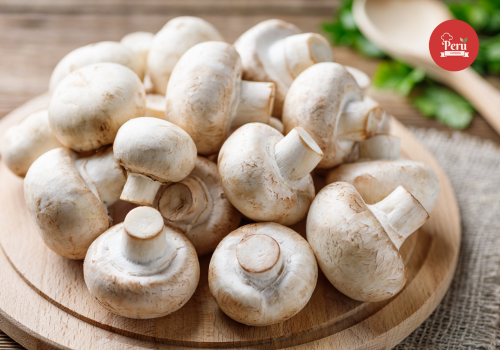
Table of contents
- The History and Cultivation of Agaricus bisporus Mushrooms
- How to Choose Quality Agaricus bisporus Mushrooms
- The Nutritional Benefits of Agaricus bisporus Mushrooms
- Preparing and Cleaning Mushrooms
- Cutting Techniques for Mushrooms (Agaricus bisporus)
- 1. Tailler en quartiers (Cutting into quarters)
- 2. Escaloper (Cutting into escalopes)
- 3. Émincer (Slicing)
- 4. Tailler en julienne (Julienne)
- 5. Tailler en brunoise (Brunoise)
- 6. Hacher (Chopping)
- 7. Tourner (Turning)
- Conclusion
The History and Cultivation of Agaricus bisporus Mushrooms
Growing mushrooms underground began thanks to Olivier de Serres, who proposed a technique for producing them in quarries. During the reign of Louis XIV, the catacombs were already used for gathering mushrooms, but it wasn't until the second half of the 18th century that a horticulturist perfected a technique that allowed them to be grown regularly in large quantities.
Today, the old quarries of Maine-et-Loire (the Angers and Saumur area), Loir-et-Cher, Indre-et-Loire, Cher, Vienne, Gironde and Oise offer an ideal environment for producing button mushrooms (Agaricus bisporus). France has become one of the largest producers, along with other countries such as Spain, Italy and Poland, where these mushrooms are widely appreciated for their versatility in the kitchen.
These mushrooms are available all year round and are extremely versatile in cooking, since they can be used in soups, creamy soups, salads, purées, fillings (duxelles), sides and many other preparations. Thanks to their meaty texture and mild flavor, they have become an essential option both for vegetarian dishes and as a side for meat and fish.
How to Choose Quality Agaricus bisporus Mushrooms
Whether white or brown, button mushrooms (Agaricus bisporus) have the same flavor and properties. However, when buying them it is important to consider the following criteria:
- Freshness and firmness: They should be very fresh and firm.
- Color: The color should be even, either ivory white or light brown, with no spots.
- Closed cap: It is best if the cap is tightly closed and attached to the stem.
- Gills: They should be a very pale pink. If they are dark brown, the mushrooms are more mature, which intensifies their aroma but spoils the presentation.
- Avoid open or moldy mushrooms: These are signs of deterioration.
It is best to buy them daily and keep them refrigerated between 8°C and 10°C, away from light. To keep them fresh longer, store them in a paper bag rather than plastic, since plastic can create moisture and speed up decay.
The Nutritional Benefits of Agaricus bisporus Mushrooms
Besides their flavor and versatility, button mushrooms (Agaricus bisporus) offer many nutritional benefits. They are low in calories and fat, which makes them an excellent option for balanced diets. Their main advantages include:
- Rich in protein: They are a plant source of protein, ideal for vegetarian and vegan diets.
- A source of vitamins and minerals: They contain vitamin D, potassium, phosphorus and selenium, essential for bone health and the immune system.
- Antioxidant properties: Their bioactive compounds help reduce oxidative stress in the body.
- Good for digestion: Thanks to their fiber, they contribute to healthy digestion.
Preparing and Cleaning Mushrooms
Before cooking mushrooms, they need to be cleaned properly:
- Remove the sandy part of the stem with a small knife.
- Trim the stem to a point, like a pencil.
- Clean them with a damp cloth or a soft brush to remove dirt without them absorbing water.
- If you need to rinse them, do it briefly under cold running water and dry them immediately with a clean cloth.
- Avoid soaking them for a long time, as they can absorb moisture and lose their texture.
Remember that mushrooms can darken when exposed to air, so if you aren't going to use them straight away, sprinkle them with a few drops of lemon juice or vinegar.
Cutting Techniques for Mushrooms (Agaricus bisporus)
1. Tailler en quartiers (Cutting into quarters)
- Trim or remove the stem if the mushroom is very open or grayish.
- Place the mushroom cap on a board and divide it into four equal parts.
Uses: Perfect for sides, sautés and Bordelaise or Provençal preparations.
2. Escaloper (Cutting into escalopes)
- Place the mushroom cap on the board and cut it diagonally in two.
- Turn it a quarter turn and cut diagonally again to get "escalope"-shaped pieces.
Uses: Ideal for sides to meat, sautés and à la grecque preparations.
3. Émincer (Slicing)
- Trim the stem if necessary.
- Place the mushroom on the board and slice it thinly with a thin knife.
Uses: Salads, sides for poached fish, steamed or creamed mushrooms.
4. Tailler en julienne (Julienne)
- Choose large, firm mushrooms.
- Cut them crosswise into slices 2 to 3 mm thick.
- Stack them and cut into thin strips.
Uses: Garnishes for soups, creamy soups, veloutés and salads.
5. Tailler en brunoise (Brunoise)
- Follow the same process as for julienne.
- Cut the strips into small 2 to 3 mm cubes.
Uses: Soups, creamy soups, salads and sides.
6. Hacher (Chopping)
- Slice the mushrooms and then chop them finely with a large knife.
- Do it quickly to avoid oxidation.
- You can add a few drops of lemon juice to stop them darkening.
Uses: Duxelles for fillings, mushroom purées and creamy soups.
7. Tourner (Turning)
- Peel the mushroom without washing it first.
- Carve fluted grooves into the surface of the cap.
- Trim the stem and keep them in water with lemon juice.
Uses: Decorating fish dishes such as sole à la normande or fish fillet à la dieppoise.
Conclusion
Button mushrooms (Agaricus bisporus) are a versatile, healthy and delicious option for many culinary preparations. From their history and cultivation to their preparation and cutting techniques, these mushrooms have become an essential ingredient in cooking around the world. Whether in fresh salads, creamy sauces or intense sautés, their flavor and texture make them indispensable on any menu.
Thanks for reading our articles
Check out more of our articles, we still have plenty to share with you!
 Peruvian ingredientsChuncho Cacao from Cusco: The Native Cacao of La Convención, Its Flavor and Benefits
 History and trendsPeruvian Christmas Dinner Ideas: A Complete Menu for Your Celebration
 Peruvian ingredientsThe Health Benefits of Camu Camu
 History and trendsPeruvian Causa: History and Meaning
 Peruvian restaurants in CanadaBARRANCO | Peruvian Flavors Blossoming in Montreal
 NewsIbai's "World Cup of Breakfasts": Peru Heads to the Semifinals