
The History of Anticucho and Rachi in Peruvian Gastronomy
Discover the history, origin and legend of anticucho and rachi, two icons of Peruvian gastronomy. Learn what they mean and their impact on traditional cooking.
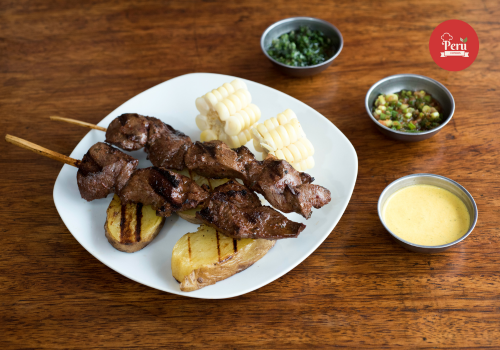
Table of contents
Peruvian gastronomy is famous for its richness and diversity, and within it, dishes made with offal hold a special place. Anticucho and rachi are just two examples of Peru's culinary creativity, which makes use of every part of the animal to create unforgettable flavors. In this article we will explore the history of these dishes and other offal-based foods that are part of the country's culinary heritage, together with the legend of the anticucho and its impact on Peruvian culture.
Anticucho: A Classic of Peruvian Food
The anticucho is one of Peru's most representative dishes and an icon of Peruvian street food. Its history goes back to pre-Columbian times, when indigenous peoples already cooked meat on skewers over embers. With the arrival of the Spanish in the 16th century, new techniques and spices were introduced, giving rise to the modern version of the anticucho.
At first, anticuchos were made with llama or alpaca meat, but during colonial times, African slaves, who had limited access to the finest cuts, began to use beef heart, seasoning it with ají panca, vinegar and spices. It was cooked over embers and served on sticks, making it easy to eat.
The Origin of the Anticucho and Its Name
The name "anticucho" comes from the Quechua "antikuchu". "Anti" means "Andes" and "kuchu" translates as "cut" or "piece", so the literal meaning would be "Andean cut". This refers to the tradition of the ancient Andean peoples of cooking meat in pieces over the fire, a practice that continues to this day.
The Legend of the Anticucho
The anticucho is not only a dish with culinary history, it is also surrounded by a popular legend handed down from generation to generation. It is said that during colonial times, the African slaves brought to Peru were fed the least valued parts of slaughtered animals, such as the heart, intestines and lungs. However, these slaves had great knowledge of cooking and used local herbs and spices to transform these parts into exquisite delicacies.
The legend says that an enslaved woman named Mama Petronila was the one who perfected the anticucho recipe. She experimented with different marinades and discovered that ají panca and vinegar softened the meat and gave it an unmatched flavor. Her recipe became so popular that even the Spanish masters began to try and enjoy the dish. Seeing the anticucho's success, Petronila taught the recipe to other enslaved women, and over time it became an emblematic dish of Peruvian gastronomy.
Rachi: A Delicious Secret from the Tripe
Rachi is another offal dish that is very popular in Peruvian cuisine. It is made with beef tripe, which is cooked until tender and then grilled. Its flavor and texture make it the perfect partner for anticuchos.
Like many other offal recipes, rachi also has roots in the cooking of African slaves and the working classes, who made use of every part of the animal. Today it is commonly eaten at anticucherías and street stalls.
Other Offal Dishes in Peruvian Gastronomy
The tradition of using offal in Peruvian cooking is not limited to anticuchos and rachi. There are other emblematic dishes that also use these less valued but extremely tasty parts:
- Cau Cau: A stew made with mondongo (beef tripe) cooked with potatoes, ají amarillo and mint. It is a much-loved home-style dish in Peru.
- Chanfainita: A dish made with bofe (beef lung), cooked and seasoned with ají panca, onion and spices. It is usually served with potato and rice.
- Uchucuta de Sangrecita: Chicken blood (sangrecita) is another popular ingredient in Peruvian cooking. It is cooked with ají and spices and served as a side or as a filling for bread.
- Patasca soup: A traditional soup from the Peruvian highlands made with mote (hominy), tripe and other ingredients, ideal for fighting the Andean cold.
- Tripe chicharrón: A crispy, tasty dish made with fried beef tripe, served with sauces and yuca.
Offal-based dishes not only represent an efficient use of food resources, they also show the creativity of Peruvian cooking. What in many places might be considered waste is transformed in Peru into culinary delights with history and tradition.
Today these dishes have gone beyond humble tables and street carts, reaching renowned restaurants and blending with modern food trends.
Frequently Asked Questions (FAQ)
Where does the name "anticucho" come from?
The word "anticucho" has a Quechua origin, deriving from "antikuchu", which means "Andean cut".
Is it safe to eat offal?
Yes, as long as it is well cooked and handled hygienically. Offal is rich in nutrients such as iron and protein.
What is the best way to make anticuchos at home?
For a good anticucho, it is essential to marinate the beef heart with ají panca, garlic, cumin and vinegar for at least a few hours before grilling it.
Is rachi the same as mondongo?
Not exactly. Both come from beef tripe, but rachi is cooked and then grilled, while mondongo is usually used in soups and stews.
Can anticuchos be made with other meats?
Yes. Although the traditional version is made with beef heart, they can also be made with chicken, pork or even fish.
Thanks for reading our articles
Check out more of our articles, we still have plenty to share with you!
 Peruvian ingredientsChuncho Cacao from Cusco: The Native Cacao of La Convención, Its Flavor and Benefits
 History and trendsPeruvian Christmas Dinner Ideas: A Complete Menu for Your Celebration
 Peruvian ingredientsThe Health Benefits of Camu Camu
 History and trendsPeruvian Causa: History and Meaning
 Peruvian restaurants in CanadaBARRANCO | Peruvian Flavors Blossoming in Montreal
 NewsIbai's "World Cup of Breakfasts": Peru Heads to the Semifinals