
Baker's Yeast and Its Importance in Bread Making
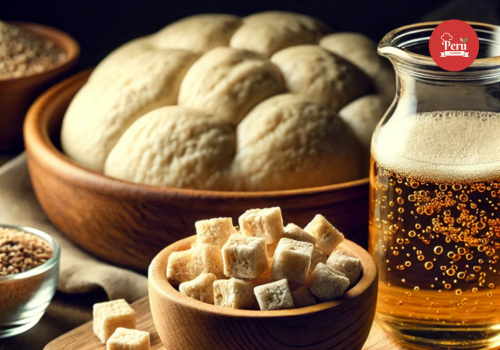
Table of contents
Baker's yeast is a microorganism that is essential in bread making, used to ferment doughs and give them a light, airy texture and flavor. Its history goes back to ancient times, when people discovered that natural fermentation improved the texture of bread. Today it is still key in making bread, brioche and other baked goods.
What is baker's yeast?
Baker's yeast belongs to the species Saccharomyces cerevisiae, a single-celled fungus that reproduces by budding. When it comes into contact with flour and moisture in a warm environment, it starts a fermentation process that releases CO2, making the dough rise.
This microorganism can turn sugars into alcohol and CO2, key elements in the structure and flavor of bread. See our Sourdough Bread - Pain au levain recipe and learn to make a delicious, healthy loaf.
The origin of yeast
Since ancient times, the Egyptians noticed that fermented doughs made airier, tastier bread. Later, in the 17th century, French bakers used liquid brewer's yeast to improve fermentation.
In 1856, Louis Pasteur showed that fermentation is caused by living organisms, which allowed industrial yeast-making processes to be developed in the 19th and 20th centuries.
Types of yeast and their characteristics
There are several forms of yeast used in bread making, each with specific uses:
- Fresh yeast: Sold in blocks of 500 g to 1 kg, it is the most widely used in traditional bakeries.
- Active dry yeast: Comes in granules and must be rehydrated before use.
- Instant dry yeast: Can be added straight to the flour without activating it first.
- Liquid yeast: More common in industry because it is easy to measure.
- Freeze-tolerant yeast: Used in doughs that need to be frozen.
Quality criteria for fresh yeast
For baker's yeast to do its job properly, it must meet certain standards:
- Appearance: Smooth and even, without crusts.
- Color: Cream or ivory, with no brown or reddish tones.
- Smell: The characteristic smell of yeast, with no sour or unpleasant odors.
- Texture: Pliable, crumbling easily.
- Plasticity: It should dissolve without forming lumps.
What yeast does in bread making
Baker's yeast plays a key role in making baked goods:
- Fermentation: It produces CO2 that expands the dough, giving it volume.
- Texture: The gas stretches the gluten network, creating an airy crumb.
- Flavor and aroma: Fermentation releases compounds that improve the bread's sensory profile.
- Color: It contributes to the characteristic golden crust through the Maillard reaction.
Using yeast in different doughs
Baker's yeast is used in different kinds of bread and pastries:
- Traditional breads: Such as baguettes and country bread.
- Enriched breads: Such as brioche and milk bread.
- Laminated doughs: Such as croissants and Kouglof.
- Fermented desserts: Such as savarin.
Storing baker's yeast
Storage varies depending on the type of yeast:
- Fresh yeast: Keep between +3°C and +7°C; it lasts up to 3 weeks.
- Dry yeast: Keep in a dry, airtight place; it lasts up to 2 years.
- Liquid yeast: Use within a short time and keep it cold.
Precautions when using yeast
- Avoid direct contact with salt, since it inhibits its activity.
- Don't dissolve it in hot water, so you don't kill the microorganisms.
- Keep it dry to prevent it from deteriorating early.
Conclusion
Baker's yeast is a key element in bread making, and using it correctly ensures doughs develop better. By knowing its characteristics and how to store it properly, we can get the best quality bread.
Frequently asked questions about baker's yeast (FAQ)
Can I replace fresh yeast with dry yeast?
Yes, for every 10 g of fresh yeast you can use 3 g of instant dry yeast.
Why isn't my dough rising?
It may be due to inactive yeast, water that is too hot, or extreme cold during fermentation.
How long does opened dry yeast last?
If it is kept tightly closed in a dry place, it can last up to 6 months after opening.
How can I tell if the yeast is still active?
Dissolve a little in warm water with sugar; if it bubbles within 10 minutes, it is still active.
Thanks for reading our articles
Check out more of our articles, we still have plenty to share with you!
 Peruvian ingredientsChuncho Cacao from Cusco: The Native Cacao of La Convención, Its Flavor and Benefits
 History and trendsPeruvian Christmas Dinner Ideas: A Complete Menu for Your Celebration
 Peruvian ingredientsThe Health Benefits of Camu Camu
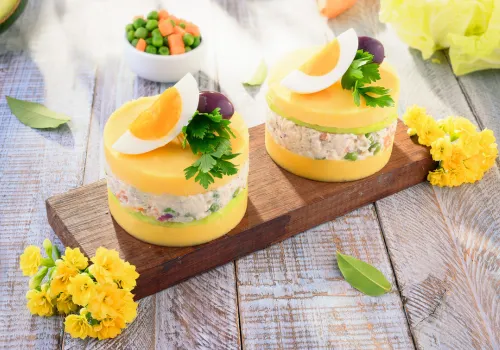 History and trendsPeruvian Causa: History and Meaning
 Peruvian restaurants in CanadaBARRANCO | Peruvian Flavors Blossoming in Montreal
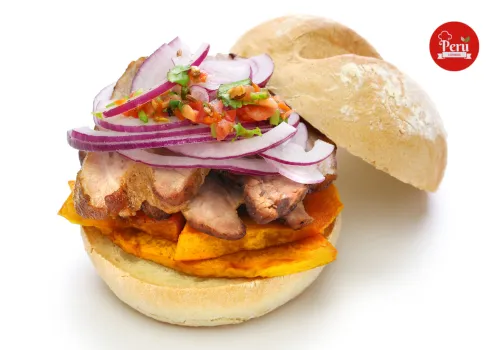 NewsIbai's "World Cup of Breakfasts": Peru Heads to the Semifinals