
Peruvian Cuisine: Tradition, Chefs and Unique Ingredients
Explore Peruvian food, its chefs, native products and its evolution into a cuisine recognized around the world.

Table of contents
The rich tradition of Peruvian cuisine
Peruvian food is a vibrant testament to the country's cultural and historical diversity, blending ancestral recipes with fresh, unique ingredients. From its mountains to its coasts, Peru offers a variety of flavors that delight diners around the world. This article explores the highlights of Peruvian cuisine, from its local products to the innovative chefs who have taken it to the top of international gastronomy.
A look at the food culture
Peruvian cuisine has deep roots in pre-Columbian cultures. Food is a fundamental part of national identity: it unites families, represents regions and accompanies every celebration. This cultural heritage is enriched by Spanish, African, Asian and Andean influences, giving rise to a diverse and surprising cuisine.
Native ingredients and their origins
Ingredients are the soul of Peruvian food. Peru is home to thousands of varieties of potatoes, chili peppers, corn and exotic fruits. Regions such as the Amazon contribute unique products such as aguaje and yuca. In emblematic markets such as Surquillo in Lima, you can appreciate the enormous biodiversity that feeds Peruvian cooking.
The role of Peruvian chefs
Peruvian chefs have managed to preserve traditions while innovating with contemporary techniques. Their artistic approach and commitment to local products have raised Peruvian food to world level.
- Héctor Solís: His restaurant "Fiesta" celebrates northern Peruvian cooking. Through his work, he rescues traditional recipes and highlights regional ingredients.
- Isabel Álvarez: As a sociologist and cook, she has researched the evolution of Peruvian food culture in depth. Her academic perspective has been essential in valuing cooking as part of cultural heritage.
- Gastón Acurio: An undisputed reference, Gastón has been the world ambassador of Peruvian food. Founder of "Astrid y Gastón", he has promoted the use of local ingredients and trained generations of new culinary talent.
The regions that define the flavor of Peru
Northern cooking
Famous for its wealth of seafood and highly seasoned dishes. Iconic examples:
- Ceviche: the flagship dish, made with fresh fish, lime, onion and ají. Ceviche is not only delicious, it is also part of the Cultural Heritage of the Nation.
- Arroz con pato: a combination of rice, dark beer and duck, typical of Lambayeque.
Highland cooking
In the Andean highlands, ancestral techniques and native ingredients dominate.
- Pachamanca: cooked underground with hot stones, this preparation includes meats, potatoes and Andean herbs. It is a culinary ritual that brings communities together.
- Cuy chactado: a traditional Andean dish, fried until crunchy and served with potatoes or mote (hominy).
Amazonian food
Amazonian cooking combines tradition and biodiversity:
- Aguaje: a fruit rich in vitamin A, antioxidants and fiber. It is used in juices, ice creams and desserts.
- Juane: made with rice, egg, olive and hen meat wrapped in a bijao leaf.
The future of Peruvian cuisine
Innovation and sustainability
New chefs are committed to sustainability and respect for the production chain. This includes using seasonal products, organic crops and fair trade.
- Fusion cooking: such as Nikkei (Japanese-Peruvian) or chifa (Chinese-Peruvian), keeps expanding globally.
- Food tourism: Peru has established itself as a culinary destination. Lima has been named the Gastronomic Capital of Latin America several times.
Challenges and opportunities
- Preserving traditional practices and making sure farming, fishing and Amazonian communities benefit from the culinary boom.
- Promoting culinary research and food education.
Conclusion
Peruvian food is not just a sensory experience: it is history, culture and identity. From its age-old ingredients to its contemporary chefs, Peru offers a unique, varied and deeply human cuisine. Whether at a local market or a fine-dining restaurant, every bite is an invitation to get to know the soul of Peru.
A final tip
If you travel to Peru, don't miss its traditional markets. It is the best way to get to know its people, its ingredients and its culinary essence.
Frequently asked questions (FAQs)
What is the most representative dish of Peruvian cuisine?
Ceviche, for its freshness, simplicity and deep connection with the Peruvian coast.
Which native ingredients stand out in Peruvian food?
Chili peppers, native potatoes, corn, quinoa, yuca, aguaje and fresh fish.
Which chef has been key in spreading Peruvian food?
Gastón Acurio has been the world ambassador of Peruvian gastronomy.
What sets Peruvian food apart from other cuisines?
Its diversity of ingredients, its cultural mix and its fusion of techniques.
Why is Peru considered a culinary destination?
Because of its rich history, variety of climates, biodiversity and world-renowned chefs.
Thanks for reading our articles
Check out more of our articles, we still have plenty to share with you!
 Peruvian ingredientsChuncho Cacao from Cusco: The Native Cacao of La Convención, Its Flavor and Benefits
 History and trendsPeruvian Christmas Dinner Ideas: A Complete Menu for Your Celebration
 Peruvian ingredientsThe Health Benefits of Camu Camu
 History and trendsPeruvian Causa: History and Meaning
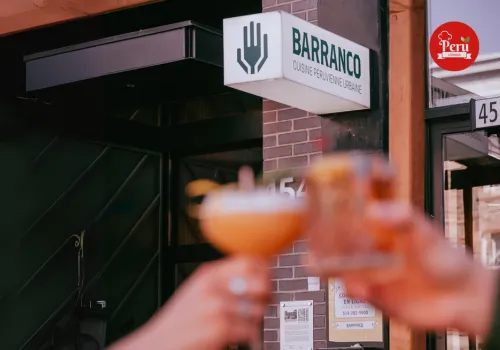 Peruvian restaurants in CanadaBARRANCO | Peruvian Flavors Blossoming in Montreal
 NewsIbai's "World Cup of Breakfasts": Peru Heads to the Semifinals