
Washing Vegetables: How to Wash Vegetables Properly
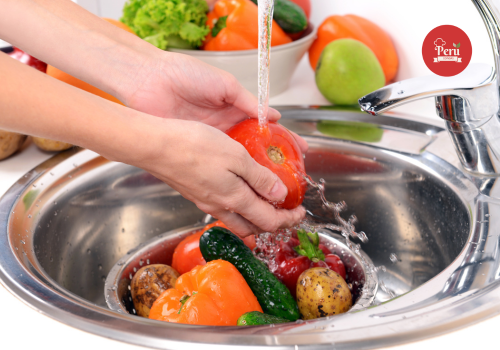
Table of contents
Have you ever found dirt in your food and couldn't work out why? It is very unpleasant to find dirt on your plate, and most likely the vegetables weren't washed properly.
Washing vegetables and fruit properly is a fundamental step to guarantee food safety and keep them fresh and flavorful. This process removes not only visible dirt but also invisible contaminants that can be harmful to health. Below we explore the techniques and precautions needed to wash them effectively.
Why is washing vegetables important?
Vegetables can be exposed to soil, pesticides, bacteria and even microorganisms. Insufficient washing can leave harmful residues such as parasite eggs, larvae, fecal bacteria, traces of agricultural chemicals or remains of improperly treated compost. This makes them a health risk.
Effective techniques for washing vegetables
- Washing under running water
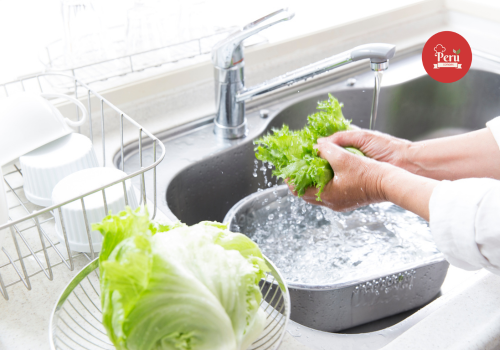
Ideal for vegetables such as leeks or asparagus. Leeks, for example, are cut into four and washed under the running tap. The pressure carries away soil, sand and insects, ensuring a thorough clean. - Washing in successive baths
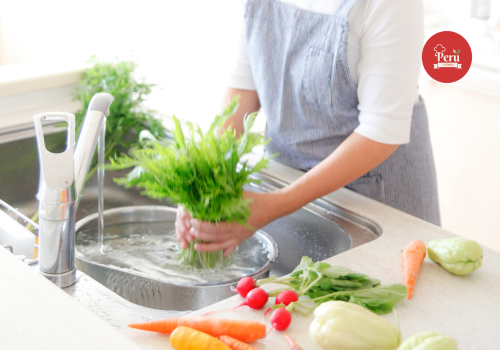
For leafy greens or herbs, it is best to soak them in cold water. Swish them and rub them gently in each bath, and move them by hand to another container of clean water at least three times.
Important note: Never drain vegetables by pouring the water out of the container, because the soil and contaminants stay at the bottom. Lift them out by hand to avoid recontaminating them.
- Extra decontamination
If the vegetables will be eaten raw (as in salads), you can improve their microbiological quality with a bath in lightly chlorinated water.- Mix 2 drops of bleach at 12° chlorometric strength per liter of water (or 10 ml per 100 liters).
- Soak the vegetables for 5 minutes and rinse them immediately with plenty of clean water.
- Finally, dry them before storing them.
- Cleaning fruit for desserts or eating raw
Fruit for desserts or eating as it is should be washed carefully under running water, drained and stored in covered containers at a maximum of +3 °C (except exotic fruit). Bananas, for example, should be kept at +12 °C. - Specific vegetables
Potatoes should be kept in cold water after washing, while other vegetables, once drained, should be stored covered in a refrigerator until used.
Extra precautions when washing
- Don't forget small vegetables: Garlic and onion, even if they aren't eaten raw, should also be washed, since they can carry traces of soil or contaminants.
- Hygiene of equipment and hands: Make sure containers, knives and hands are clean throughout the washing process to avoid introducing new contaminants.
Conclusion
Proper washing removes not only visible dirt but also bacteria, pesticides and microorganisms that can affect health. By following these techniques and precautions, you can make sure your vegetables and fruit are ready for safe, delicious meals. Make this process a habit in your kitchen!
Thanks for reading our articles
Check out more of our articles, we still have plenty to share with you!
 Peruvian ingredientsChuncho Cacao from Cusco: The Native Cacao of La Convención, Its Flavor and Benefits
 History and trendsPeruvian Christmas Dinner Ideas: A Complete Menu for Your Celebration
 Peruvian ingredientsThe Health Benefits of Camu Camu
 History and trendsPeruvian Causa: History and Meaning
 Peruvian restaurants in CanadaBARRANCO | Peruvian Flavors Blossoming in Montreal
 NewsIbai's "World Cup of Breakfasts": Peru Heads to the Semifinals